 Vancouver Trip Guide
Vancouver or Seattle: Which City Deserves Your Days
Last reviewed 2026-09-08
Vancouver or Seattle is a question people usually ask with a week to spend and a flight to book, and the honest answer starts with what the two cities are not: interchangeable. They sit about 230 kilometres apart on the same rain coast, they share a mountain range and a set of ferries, and they are separated by an international border, two currencies, two tax systems and two very different sets of museums. This page decides it across seven dimensions with a verdict on each, says plainly where Seattle wins, covers the border and the train between them, and sets out the day-trip option and why it is usually a bad idea. Where a figure is Canadian we write CA$ and convert at CA$1 = US$0.7244; where it is American it is already in US dollars.
Quick answer The verdict, the four-hour train, and the two places Seattle wins outright
Pick Vancouver if the outdoors is the point: a 28-kilometre seawall you can walk or cycle without leaving the water, free beaches, a mountain range on the far side of the harbour and an airport train that runs in under half an hour. Pick Seattle if you want museums, a bigger indoor cultural roster and, in most seasons, a cheaper flight. If you have eight or more nights, do both, because Amtrak Cascades runs the two cities in four hours and the border is less trouble than its reputation.
Key takeaways
- Four Amtrak Cascades trains a day run between Seattle and Vancouver, two round trips, and since US preclearance began on 8 June 2026 the trip takes four hours with no stop in Blaine
- Canada Border Services publishes live wait times for four crossings serving Vancouver: Pacific Highway, Douglas at the Peace Arch, Aldergrove and Boundary Bay
- Sales tax is 12% on most goods in British Columbia and 6.5% at the state level in Washington plus a local rate, and neither city puts tax on the shelf price
- For an Alaska cruise the difference is legal, not aesthetic: US law forces Seattle round-trips to call at a foreign port, which is why Canada Place gets the one-way Inside Passage sailings
- A Vancouver arrival day is solved by the Canada Line, under 30 minutes to downtown, and a private airport transfer if you would rather not carry bags
One: The Border, and the Train Across It
Start here, because it is the dimension people most often get wrong in both directions. They either treat the border as a formality or as a day-killer, and it is neither.
By rail it is now genuinely easy. Amtrak Cascades runs four trains a day between Seattle and Vancouver, two round trips, and since a US preclearance designation took effect on 8 June 2026 the border inspection happens at upgraded facilities in the Vancouver station rather than in two separate places. The Washington State Department of Transportation's own wording is that the trip between Vancouver and Seattle now takes four hours, and that the trains no longer need to stop in Blaine. Amtrak asks passengers on the Vancouver services to arrive an hour before departure, which is the real cost of the preclearance.
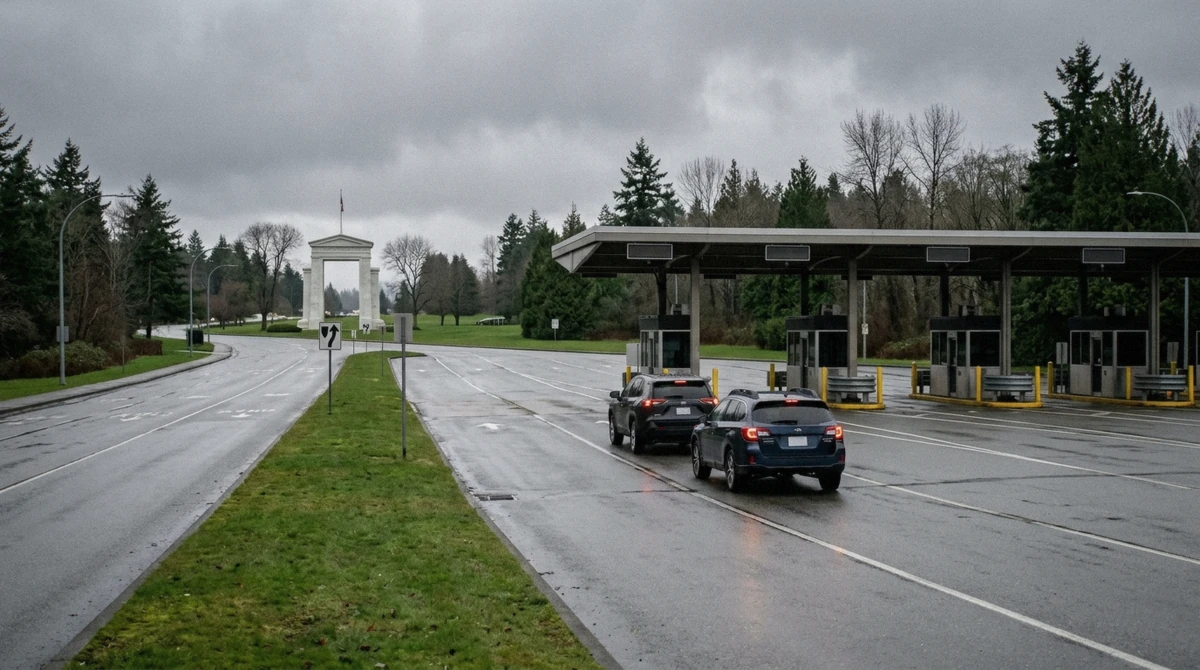
By road, Canada Border Services publishes live wait times for four crossings serving the Vancouver area: Pacific Highway and Douglas, both at Surrey and Blaine, Aldergrove at Lynden, and Boundary Bay at Point Roberts. The agency warns that waits move with events, holidays and enforcement, and its numbers refresh through the day, which makes them worth checking rather than guessing. Douglas is the Peace Arch crossing and it is the one most rental cars default to.
Verdict: neither city, and that is the useful answer. The border is not a reason to pick one over the other. It is a reason to build in an hour, twice.
Entry documents are not symmetrical, and neither is the paperwork
Two different systems, and the rule depends on your nationality and how you arrive rather than on which city you land in. Canada's electronic travel authorisation costs CAN$7 on the Government of Canada's own page, and that page directs travellers to check their own case rather than publishing one rule for everybody. The United States runs its own authorisation for visa-waiver nationals.
What this means practically: if you are combining the two cities, sort the documents for both countries before you book the train, and do not assume that clearing one gets you the other. We are not going to summarise immigration law on a travel page; the two governments' own sites are the only source worth using, and both are free to read.
Two: Money, Two Currencies and Two Tax Systems
Nobody advertises a total price in either city. These are the rates each government publishes, read in Q3 2026.
The row that costs real money is the hotel one. Vancouver's government tax on a room reaches 18.5%, and Destination Vancouver's own breakdown gets to roughly 20% once a 1.5% industry destination-marketing fee is added. On a downtown room that is not a rounding error, and it is not in the nightly rate you saw.
The honest gap in that table is the Seattle column. Washington's Department of Revenue publishes the 6.5% state rate and then routes every local rate to a lookup tool rather than printing a Seattle figure, and we did not verify Seattle's restaurant, alcohol or lodging taxes in this run. Rather than copy a number from a blog, we have left the cells empty and told you why. Our Vancouver costs page has the Canadian side in full.
Verdict: Seattle, narrowly, on headline tax. Washington's combined rate in most of the state sits below British Columbia's 12%, and Washington has no state income tax, which shows up in the price of some things. But the Vancouver hotel tax is the one to plan for, and it applies wherever you sleep.
| What you are buying | Vancouver, British Columbia | Seattle, Washington |
|---|---|---|
| Most goods | GST 5% plus PST 7%, so 12% on top of the shelf price | State retail sales tax 6.5%, plus a local rate that varies by city |
| Restaurant food | GST 5% only. Food is exempt from PST | Not verified in this run; we do not publish a figure we have not read |
| Alcohol | 15%, because liquor carries 10% PST instead of 7% | Not verified in this run |
| A hotel room | 18.5% in government tax: 8% PST, 3% MRDT and a 2.5% Major Events MRDT running to 31 January 2030, plus 5% GST | Not verified in this run |
| Tipping | 12% to 18%, the figure Destination Vancouver publishes; no government page states one | Customary and generally higher; no official source publishes a rate |
What a Vancouver hotel is actually going for
Downtown Vancouver hotels ran at 76% occupancy with an average daily rate of $248.50 (CA$343) across January to June 2026. Use that as the planning number. The June figure on its own was 73% occupancy and $375.20 (CA$518), which is a World Cup number rather than a normal one: Vancouver hosted seven FIFA World Cup matches over the same summer, and accommodation was strained the whole time.
If your dates fall near a major event in either city, the sensible move is to book the accommodation before the flights, which is the reverse of what most people do.
Three: Arriving, and Getting Around Without a Car
Vancouver's airport link is documented and it is good. The Canada Line reaches downtown in under thirty minutes and Richmond in eighteen, with elevator access from both terminal levels, and the N10 NightBus covers the hours when the train is shut, so the airport has transit around the clock. The catch is one most visitors meet at the fare gate: a YVR AddFare of $4.71 (CA$6.50), raised from CA$5 on 1 July 2026, charged only on eastbound trips starting at the airport, Sea Island Centre or Templeton. There is no AddFare on the journey back to the airport. Monthly passes, DayPasses and single-use tickets not bought on Sea Island are exempt, and TransLink collects the charge; the Airport Authority receives none of it.
Inside the city the fare rules reward anyone who reads them. Buses are a one-zone fare at all times, everything on the system is one-zone after 6:30 p.m. on weekdays and all day at weekends and statutory holidays, children twelve and under ride free, and the transfer window is ninety minutes. A one-zone adult fare on stored value is $2.06 (CA$2.85). The SeaBus crosses to the North Shore in twelve minutes and takes bicycles.
We did not verify Seattle's transit fares or airport-link times in this run, so this page prints none. The verdict below is therefore about what is documented rather than a claim that Seattle is worse.
Verdict: Vancouver, on the record we have. A driverless metro to the airport with a night bus behind it and free travel for under-13s is a strong arrival story, and the getting around page has the whole fare ladder.
Four: What There Is To See, and Where Seattle Simply Wins
This is the concession, and it should be made without hedging. Seattle's indoor cultural roster is stronger than Vancouver's and it is not close. The Space Needle, Pike Place Market, the Museum of Pop Culture, the Chihuly glass, the Seattle Art Museum, the Museum of Flight out at Boeing Field: that is a deeper bench of purpose-built attractions than any Canadian city west of Toronto can field, and if your idea of a good day is three museums and a market, Seattle is the correct answer to this whole page. We print no admission prices for any of them, because we did not read them from the operators' own sites in this run and we are not going to launder someone else's numbers.
Vancouver's answer is that most of its best things are outdoors and free. Stanley Park costs nothing to enter and is 400 hectares of forest inside the city. The seawall runs 28 kilometres from the Convention Centre to Spanish Banks, which the City calls the world's longest uninterrupted waterfront path, split into a walking lane on the water side and a wheeling lane inside. The beaches are free. The mountains behind North Vancouver are half an hour away.
What Vancouver charges for is the manufactured stuff: a canyon park, a mountain gondola, an aquarium, an observation deck. Our tickets hub prices all of it, and our free things to do page is longer than most cities could manage.
Verdict: Seattle for culture, Vancouver for landscape, and the tiebreak is what you do when it rains, which is the next dimension.
Five: Weather, and the Reputation Both Cities Carry
Vancouver's numbers are on the record and they are more interesting than the reputation. Environment and Climate Change Canada's normals for the airport give 1,189 millimetres of rain a year across 169 days with measurable precipitation, but only 77 days with 5 millimetres or more. That gap is the whole story of the rain coast: it drizzles often and it pours rarely. November is the worst month at 188.9 millimetres over 20.4 wet days, July the driest at 35.6 millimetres over 6.3. Temperature, from a thirty-year series, runs a July high of 22.2 °C against a low of 14.6, and a January high of 5.9 against a low of 1.5.
That January figure answers the most-asked comparison question honestly: Vancouver's winters are mild rather than cold. Snow in the city is an event, not a season, though the mountains behind it hold a ski season from December to April.
We did not verify Seattle's climate normals from the National Weather Service in this run, so we are not going to tell you which city is colder. What we can say is that the two sit on the same coast under the same weather systems, that both reputations come from frequency rather than volume, and that the practical planning advice is identical: bring a shell, not an umbrella, and keep an indoor day in reserve. Our rainy day page is that reserve for Vancouver.
Verdict: a draw, with figures on one side of it and an admitted gap on the other.
The no-fun-city question, answered with a bylaw
Vancouver has carried a reputation for being pleasant and dull for about forty years, and the usual evidence is the drinking rules. Those rules have changed, and the change is documented. Alcohol in parks and on beaches is now a permanent City programme rather than a pilot: seven named beaches from 15 May to 30 September, 11 a.m. to 9 p.m., nineteen and over, no glass; thirty-one parks year-round with sixteen more added from 1 July to 31 August; and thirteen designated plazas under a programme running from 2026 to 2029. English Bay, Sunset Beach, Third Beach, CRAB Park and the Fraser River beaches are excluded.
Cannabis went the other way and stayed there: it is nineteen and over and banned in every Vancouver park, on every beach and on the seawall under the Park Board's smoking bylaw. And British Columbia's drug decriminalisation exemption expired on 31 January 2026 and will not be renewed, which means any advice written from pre-2026 sources is simply wrong. The safety and scams page covers what that does and does not change for a visitor.
Six: As an Alaska Cruise Port, the Difference Is Legal
If your real question is which city to sail from, this dimension outranks all the others, because the answer is written into United States law rather than into either city's charm.
The Passenger Vessel Services Act prohibits a vessel that is not US coastwise-qualified, which covers essentially every large cruise ship, from carrying passengers between two US ports. Customs and Border Protection's own compliance publication sets out the rule and the penalty, which is $996 per passenger landed in violation. The practical consequence is that a round-trip Alaska cruise out of Seattle must call at a foreign port on the way, which is why almost every one of them stops at Victoria, often late in the evening for a few hours.
Vancouver is itself the foreign port. That is why the one-way Inside Passage sailings, the ones that start or finish in Alaska and connect to a land tour, work out of Canada Place rather than Seattle. If you want a round trip and a cheap flight, Seattle. If you want a one-way glacier itinerary, Vancouver, and it is not really a preference.
Figures from the Port of Vancouver and the Port of Seattle's own releases, read in Q3 2026. Seattle moves more passengers through more terminals; Vancouver moves nearly as many calls through a single terminal that sits under the convention centre with a SkyTrain station beneath it, which is the reason a Vancouver embarkation day is easier on foot.
On a turnaround day in Vancouver, two things solve most of it: all-day luggage storage at the cruise terminal and the fact that Capilano's free shuttle picks up at Canada Place itself. Our cruise port page has the rest.
Verdict: it depends on the itinerary, and the itinerary depends on the law. Round trip, Seattle. One way, Vancouver.
| Vancouver, Canada Place | Seattle | |
|---|---|---|
| 2026 season | 26 February to 13 October | Opens Friday 17 April with the first in-transit arrival |
| Vessel calls | Close to 360 | 330, the most in the Port of Seattle's history |
| Passengers | About 1.4 million | 2.1 million revenue passengers |
| Terminals | One, Canada Place, in the middle of downtown | Two: Bell Street at Pier 66 and Smith Cove at Pier 91 |
| Homeport ships | Not stated in the figures we read | 16 in 2026, the broadest lineup Seattle has hosted |
Seven: Which One Is Bigger, and Which One Is Busier
This is asked constantly and answered carelessly, usually by comparing a city population with a metropolitan one. Here is what we verified in this run and nothing else.
The City of Seattle's own site states more than 737,000 residents as of 2020. We could not read a City of Vancouver population figure from an official source in this run, because vancouver.ca refuses automated requests, so this page prints none. Any comparison that pits Seattle's city population against Metro Vancouver's regional one is measuring two different things and will always make Vancouver look larger.
On visitors the picture is clearer. Vancouver recorded 11.3 million overnight visitors in 2025 and $8.8 billion in tourism revenue. That is a serious tourism economy for a city of its size, and it shows in the summer crowding at the seawall and on the North Shore.
Verdict: unanswerable from verified sources, which is itself the answer to give a friend who has read three blogs that all disagree.
The Scorecard, Dimension by Dimension
Seven dimensions, one verdict each, from the government and operator figures cited above and read in Q3 2026. Two of the seven are honest draws, and one of those is a draw because we would not fake the other half of it.
| Dimension | Winner | Why |
|---|---|---|
| The border between them | Neither | Four trains a day, four hours since preclearance, and live CBSA wait times for four road crossings |
| Money and taxes | Seattle | 6.5% state sales tax plus a local rate against British Columbia's flat 12%, and no state income tax |
| Arriving and getting around | Vancouver | Canada Line under 30 minutes, a night bus behind it, and free travel for under-13s |
| What there is to see | Seattle | A deeper roster of purpose-built museums, and it is not close |
| Weather | A draw | 1,189 mm over 169 days in Vancouver, but only 77 of them wet enough to matter. Seattle's normals not verified here |
| As an Alaska cruise port | Depends on the itinerary | US coastwise law puts the one-way Inside Passage sailings in Vancouver and the round trips in Seattle |
| Size and visitor numbers | Unanswerable | Seattle publishes 737,000+ residents; no official Vancouver city figure was readable in this run |
Read the scorecard as a shape rather than a score. Seattle wins the indoor dimensions and Vancouver wins the outdoor and the arrival ones, which is exactly what the two cities look like from the ground.
Pick Vancouver If, Pick Seattle If
If your best day involves a mountain, a beach or a boat
Vancouver. The seawall is 28 kilometres and free, and a harbour cruise puts you on the water for an hour without leaving downtown.
If your best day involves three museums and a market
Seattle, and it is not a close call. Vancouver's cultural roster is respectable and smaller.
If you are booking a one-way Alaska cruise with a land tour
Vancouver, because US coastwise law is why those itineraries sail from Canada Place. The cruise port page covers the turnaround day.
If you are booking a round-trip Alaska cruise and watching the airfare
Seattle, which had 330 calls and 2.1 million passengers scheduled for 2026 across two terminals. Expect a short Victoria call written into the itinerary.
If you have eight nights or more
both, on the four-hour train, three nights in each and two floating. Our three-day itinerary covers the Vancouver half.
If you have three or four nights total
one city. Eight hours of train and two border processes is a third of a short trip, and neither city is improved by being rushed.
If you have one day in Vancouver at the end of a Seattle trip
skip the day trips and walk. The one-day itinerary is built for exactly that, and a hop-on hop-off pass covers the ground if the weather turns.
Doing One as a Day Trip From the Other
People try it, and the arithmetic is against them. Amtrak Cascades runs two round trips a day and takes four hours each way with preclearance, and passengers travelling to and from Vancouver are asked to arrive an hour before departure. That is a ten-hour day before you have looked at anything, on a schedule with no margin: miss the return and there is not another one that evening.
Driving is not obviously better. The distance is manageable, but the two variables are the crossing and the traffic, and only one of them is published. Canada Border Services updates wait times through the day for Pacific Highway, Douglas, Aldergrove and Boundary Bay, and its own note is that waits move with events, holidays and enforcement action. A summer Sunday afternoon northbound at the Peace Arch is the single worst hour to attempt it.
If you are determined, the version that works is an overnight rather than a day trip: train down, one night, train back, with the second morning free. It costs a hotel and saves you the two worst hours of both days. And if what you actually want is a day out of Vancouver rather than a day in Seattle, the day trips hub has options that do not involve a passport, starting with a ferry to Bowen Island and ending at Whistler.
Booking the Vancouver Half
Orientation, transfers and the things a first day in Vancouver actually needs. Prices are the US-dollar figures listed on the platform when we read them in Q3 2026, and the seller confirms the final amount in your own currency at checkout.
 from $50.12
Top rated
from $50.12
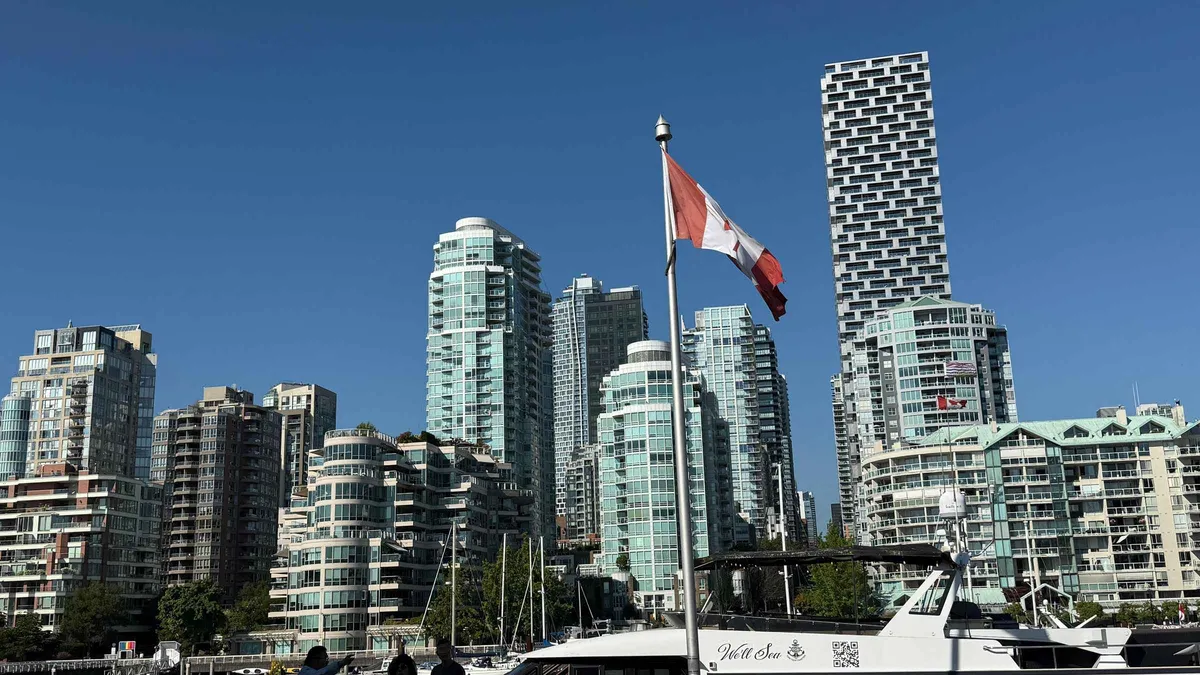
Top rated Vancouver: Hop-On Hop-Off City Tour, SMALL GROUP "12 STOPS"
A hop-on hop-off route run in 15-seat vans rather than buses, with 24, 48 and 72 hour passes and 12 to 17 stops depending on the pass. The driver is not a guide and no attraction tickets are included.
Check Availability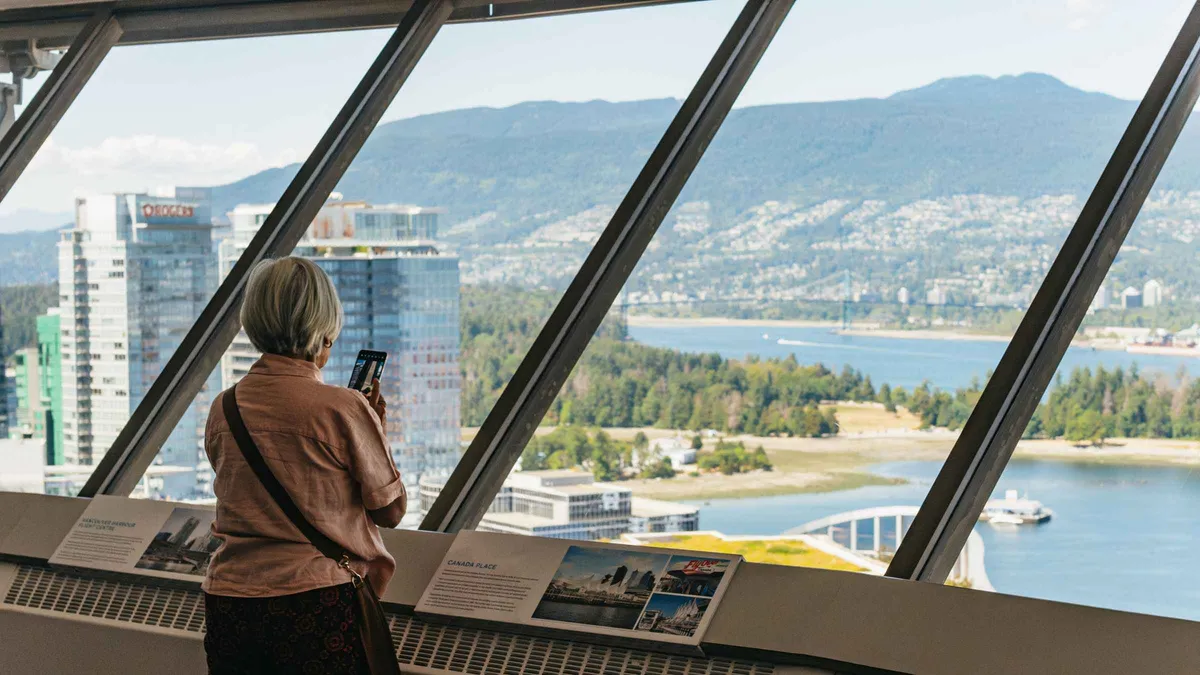 from $16.38
Vancouver: Entry Ticket for the Vancouver Lookout
One-time entry to the 168 metre observation deck at Harbour Centre, reached by an exterior glass elevator in 40 seconds. The ticket is valid for a single visit, so pick a clear day and go late for the light.
Check Availability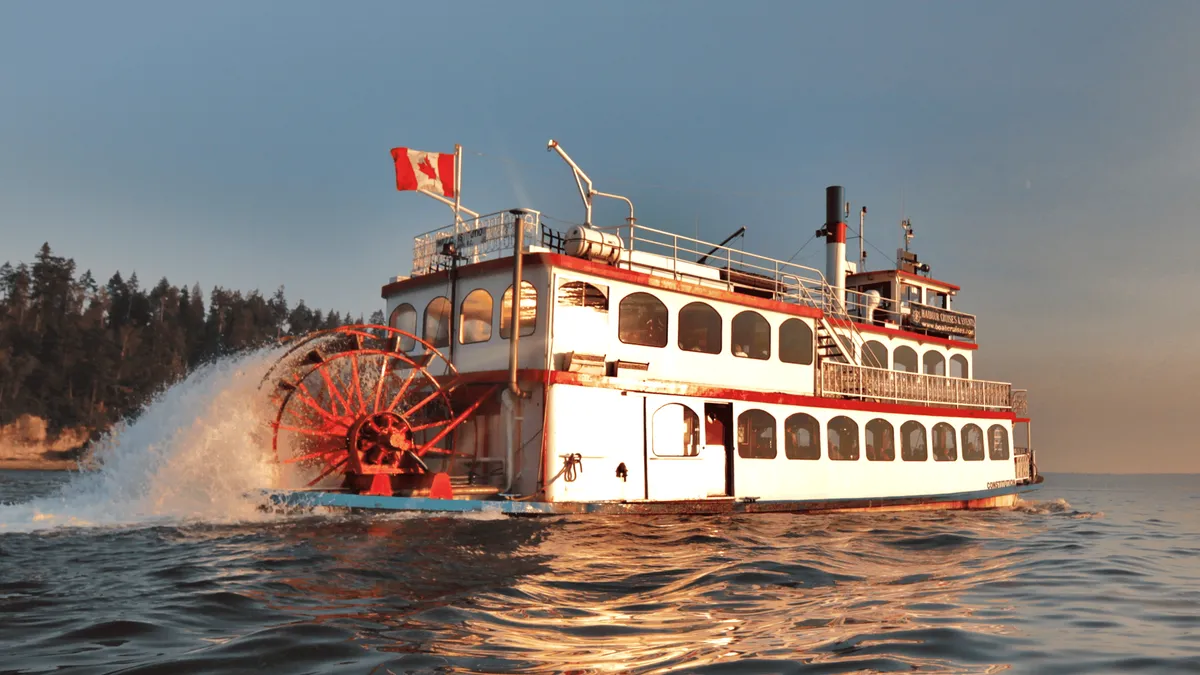 from $53.69
Vancouver: Harbor Sightseeing Cruise
One narrated hour around the inner harbour, past Stanley Park and under the Lions Gate Bridge, with open-air decks and a licensed bar on board. The shortest and cheapest way to see the city from the water.
Check Availability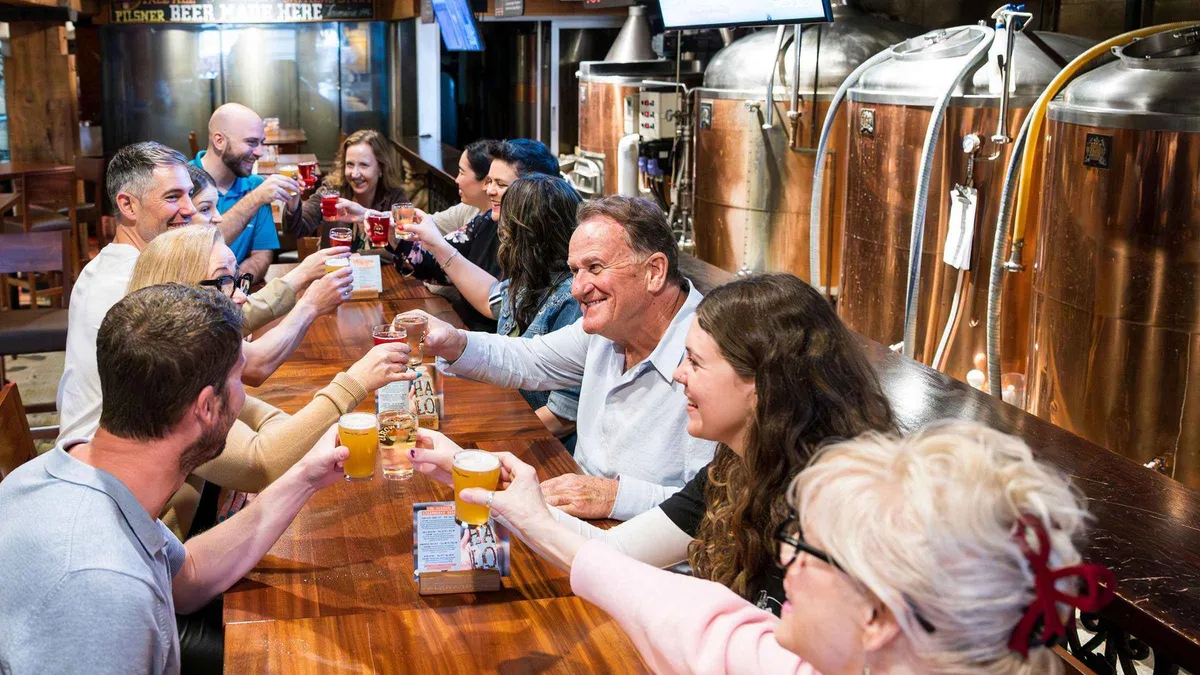 from $120.36
Top rated
from $120.36
Top rated Vancouver: Gastown Historical Walking Food Tour
Three hours and seven venues in Gastown with six tastings, two of them desserts, and four alcoholic drinks with non-alcoholic swaps available. Dietary requests need 24 hours notice, and three of the stops involve stairs.
Check Availability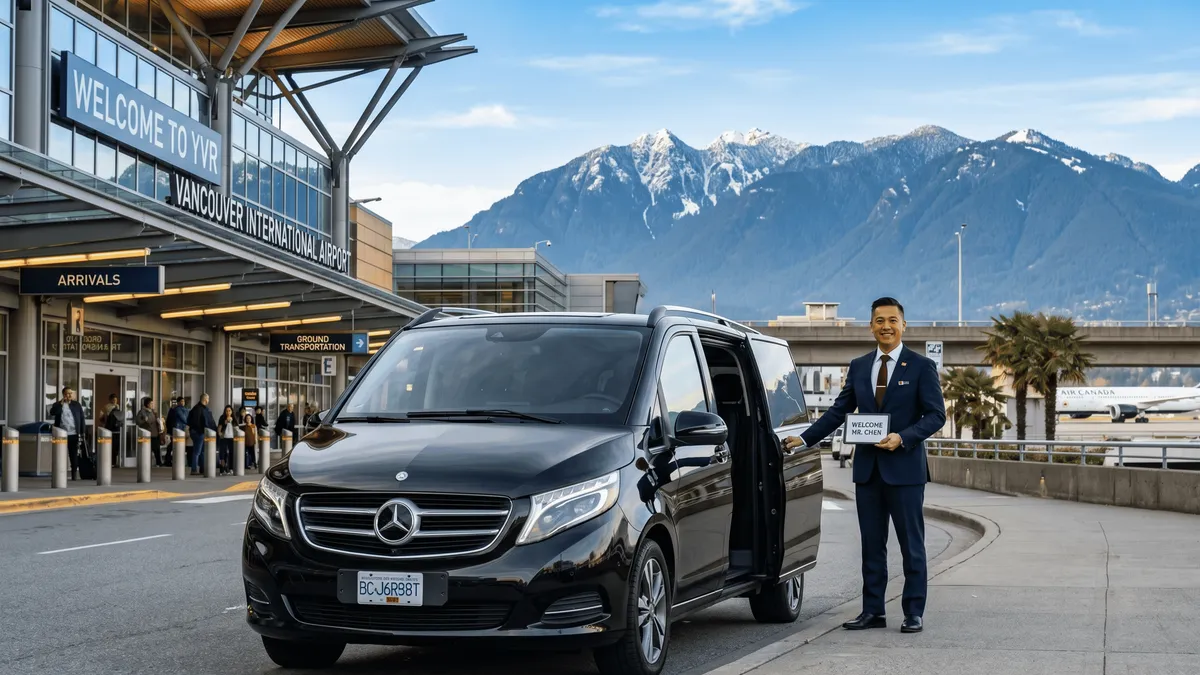 from $29
Vancouver: YVR Airport Private Transfer to/from Vancouver
A pre-booked private car between YVR and downtown with 60 minutes of free waiting on arrivals and vehicles up to 14 seats. Standard rates cover the city centre only, and addresses outside it carry a surcharge.
Check Availability from $12.33
Vancouver: All-Day Luggage Storage at Cruise Terminal
Eight hours of storage for up to two bags per person, right at the Canada Place cruise terminal, so a disembarkation day can be spent in the city. Only open to arriving cruise passengers, and a third bag is charged on the spot.
Check Availability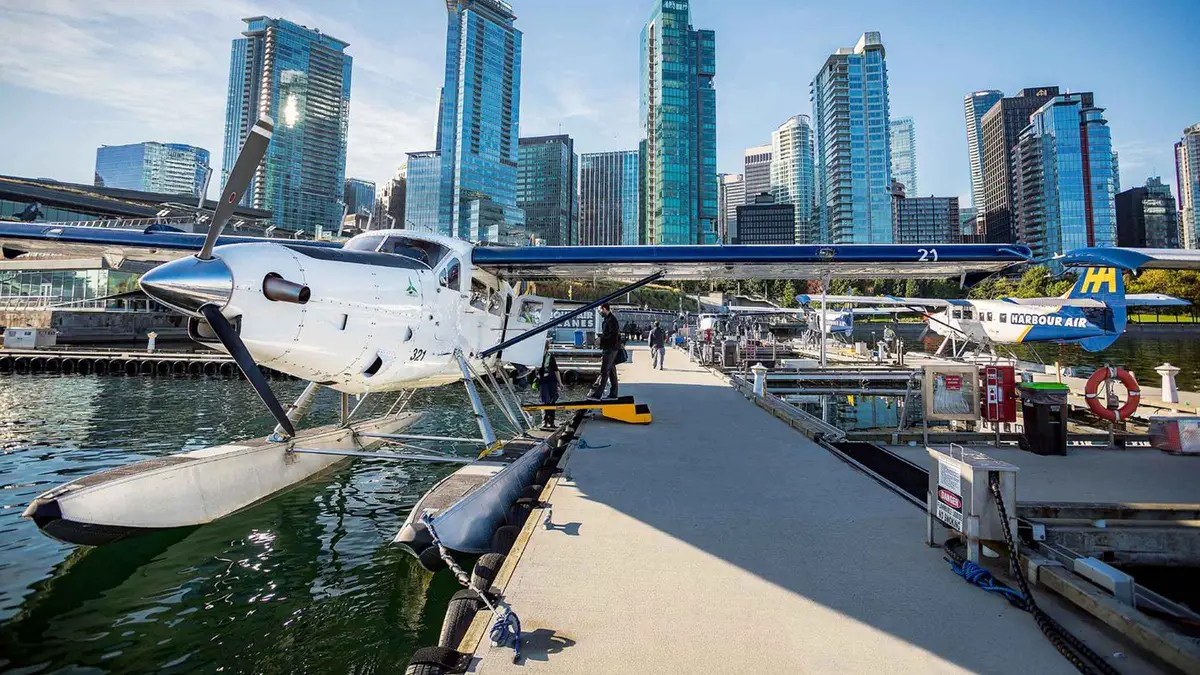 from $137
Top rated
from $137
Top rated Vancouver: Original Panorama Seaplane – Mountain & Coast
The original Harbour Air panorama: 30 minutes over Stanley Park, the Lions Gate Bridge, Horseshoe Bay and the downtown core, in a floatplane capped at eight seats. It leaves from Coal Harbour, a few minutes walk from the cruise terminal.
Check Availability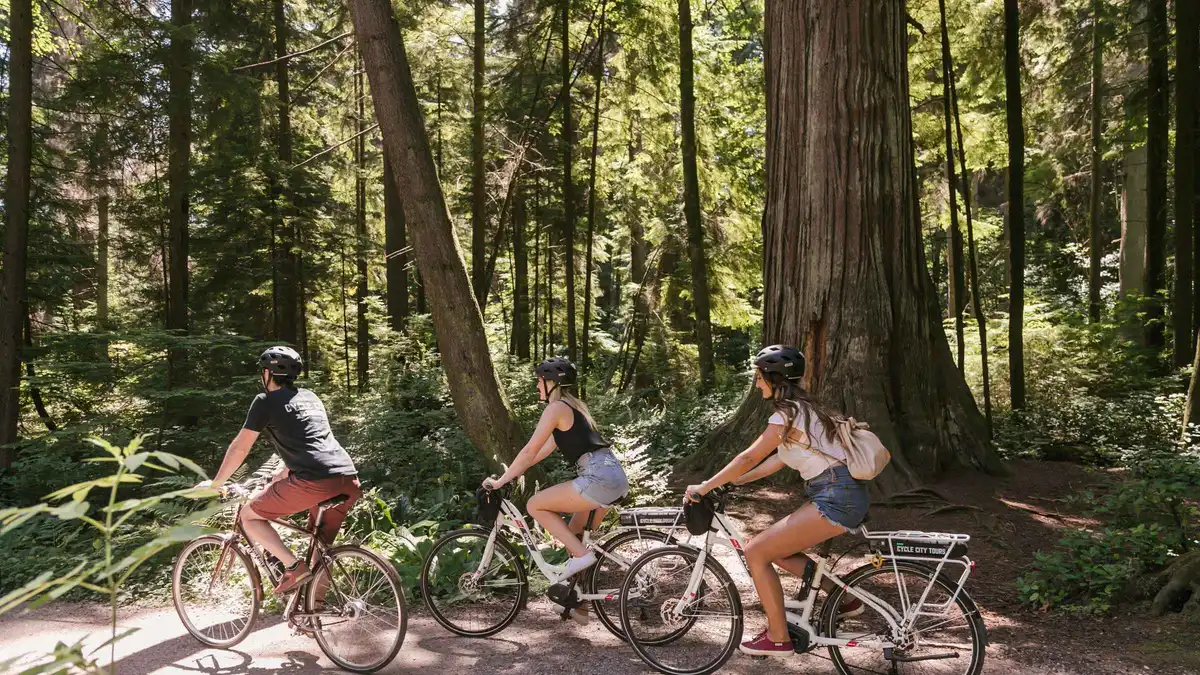 from $104.69
Top rated
from $104.69
Top rated Vancouver: Half-Day City Highlights E-Bike Tour Age 16+
Four hours on an e-bike through Stanley Park to Prospect Point, then Yaletown, Olympic Village, Chinatown and Gastown, almost all of it away from traffic. Riders must be 16 or over and able to handle light exercise.
Check AvailabilityPrices, ratings and details are the platform's own, checked in Q3 2026; dollar figures are the listed prices — the platform bills in your account's currency.
Vancouver or Seattle: the Questions That Decide It
Is Vancouver or Seattle cheaper?
On tax, Seattle: Washington charges 6.5% at state level plus a local rate, against a flat 12% in British Columbia, and Washington has no state income tax. On accommodation the gap narrows or reverses, because a Vancouver hotel room carries 18.5% in government tax and the downtown average daily rate ran at $248.50 (CA$343) across the first half of 2026. Our Vancouver costs page has the Canadian side in detail.
How long does it take to get from Vancouver to Seattle?
Four hours by Amtrak Cascades, on two round trips a day, since a US preclearance designation took effect on 8 June 2026 and the trains stopped calling at Blaine. Passengers on the Vancouver services are asked to arrive an hour before departure. By road, the time depends entirely on the border, and Canada Border Services publishes live waits for the four crossings that serve the city.
Should I do an Alaska cruise from Seattle or Vancouver?
Vancouver for a one-way Inside Passage sailing, Seattle for a round trip. That is not a preference, it is United States coastwise law: a foreign-flagged ship cannot carry passengers between two US ports without a foreign call, which is why Seattle round-trips stop at Victoria and the one-way itineraries use Canada Place. Vancouver's 2026 season ran 26 February to 13 October with close to 360 calls.
Which is colder, Vancouver or Seattle?
We will not answer that from unverified data. What is on the record for Vancouver is a January average high of 5.9 °C against a low of 1.5, and 1,189 millimetres of rain a year across 169 days but only 77 days with 5 millimetres or more. Both cities are mild and grey rather than cold; the best time to visit page has the month-by-month figures for the Canadian side.
Why is Vancouver called the no fun city?
It is an old label about restrictive rules, and the rules have moved. Drinking in parks and on beaches is now a permanent City programme: seven beaches from 15 May to 30 September, thirty-one parks year-round with sixteen more in high summer, and thirteen designated plazas for 2026 to 2029. Cannabis went the other way and is banned in every park, on every beach and on the seawall.
Can I do both cities in one trip?
Comfortably with eight nights or more, three in each and two for travel and slack. Below about six nights, pick one. The travel is four hours each way plus an hour at the station and two border processes, and that is a large bite out of a short holiday. The three-day itinerary shows what the Vancouver half needs.
The Same Argument, Made on Camera
Three views of the comparison: the two cities set against each other, the train that connects them, and a practical brief on the Seattle side for anyone leaning that way.
Seattle and Vancouver Compared
The long-form comparison, useful for the geography and the history that this page treats as background rather than as the decision.
Video: Mr. BeatThe Train From Vancouver to Seattle Explained
The Amtrak Cascades run end to end. Filmed before preclearance, so treat the border sequence as history and the four-hour figure above as current.
Video: Wolters WorldSeattle or Vancouver: Which Place to Visit?
A shorter argument for the same question, worth watching if you are still weighing the museums against the mountains.
Video: Compare & ContrastVideos load from YouTube only when you press play.