 Vancouver Trip Guide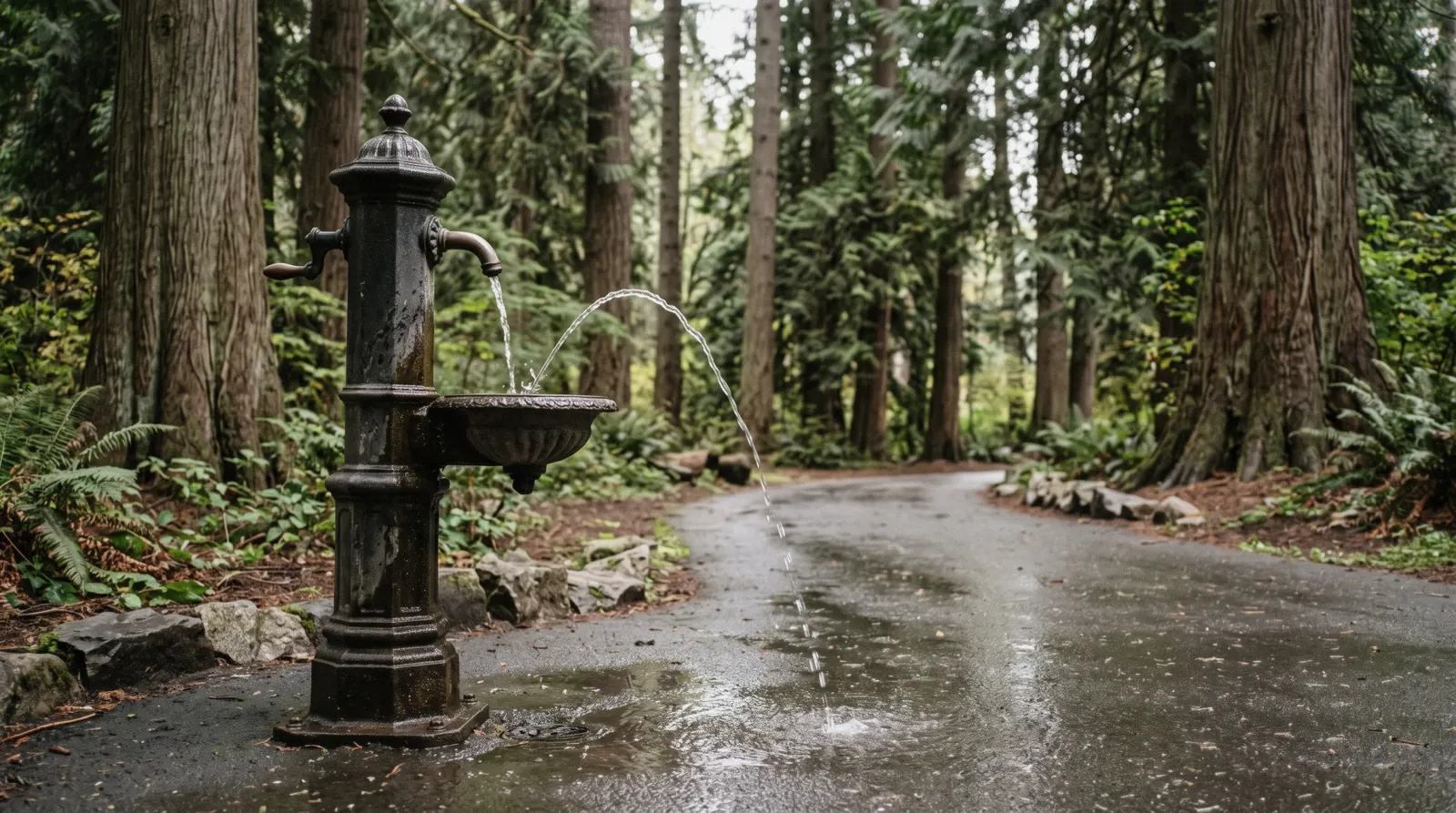
Vancouver Tap Water
Vancouver tap water is safe to drink, and the utility that supplies it publishes an annual compliance report almost nobody cites. This page gives the answer in one line, then the report behind it, then the practical part: where the water comes from, where the public fountains are, when they are switched off, and what the published data does not cover. Every figure here comes from Metro Vancouver's own 2024 water quality report or from the City of Vancouver's open data, read in Q3 2026. If you are working out what a day here costs, the bottled-water line on that budget can go to zero, and the rest of it is on what Vancouver costs.
Quick answer The answer, the report, and where the fountains are
Yes. Vancouver tap water is safe to drink straight from the tap, and Metro Vancouver's own 2024 compliance report states that every water quality parameter analysed met or exceeded provincial water quality regulations and the federal Guidelines for Canadian Drinking Water Quality, with the exception of three days when the Coquitlam source was in non-compliance. More than 29,800 samples were collected and analysed that year, of which two came back positive for E. coli in a supplied system, and repeat sampling at the same location found none.
Key takeaways
- The supply is rain and snowmelt from three mountain watersheds that are kept closed to the public to prevent contamination, which is unusual for a city of this size
- The City runs 278 public drinking fountains, most of them with a bottle filler on the side, and publishes an interactive map of every one
- Roughly 41 of those fountains are flagged year-round; the rest are seasonal, so plan the long seawall walk around that in the colder months
- Out on the water or up a mountain all day? A guided ride along the seawall passes fountains the whole way
The Answer, And The Report Behind It
The claim that a city's water is good is usually made by a tourism board. In Vancouver it is made by the water utility, in the Greater Vancouver Water District 2024 Water Quality Annual Report, and the figures below are quoted from it directly.
It is the most recent edition, it is a public PDF, and it names the exceptions as well as the compliance.
| What the 2024 report records | The figure | What it means for a visitor |
|---|---|---|
| Overall compliance | All parameters met or exceeded provincial regulations and the federal guidelines, except three days when the Coquitlam source was non-compliant | The water is safe, and the utility names its own bad days rather than rounding them away |
| Samples analysed | More than 29,800 across the district and the systems it supplies | This is a monitoring programme, not an annual spot check |
| E. coli | Two positives, in one supplied system; repeat samples at the same location found no further E. coli | Two in nearly thirty thousand, followed up rather than filed |
| Filtration plant performance | Daily average turbidity leaving the Clearwell averaged 0.19 NTU, described in the report as excellent | Clear water leaving the plant, which is what turbidity actually measures |
| Chemical screening | Herbicides, pesticides, volatile organic compounds and radionuclides all below the recommended limits in the federal guidelines | The screening covers the categories people worry about, and publishes the result |
Turbidity is the one measure that moves with the weather. In October 2024 an intense atmospheric river pushed the Capilano source to 20 NTU, its highest daily average of the year; the Seymour source peaked at 2.5 NTU in January; the unfiltered Coquitlam source exceeded 1.0 NTU on 32 days and 5.0 NTU on three days in October, peaking at a daily average of 10.6 NTU. Those three October days at Coquitlam are the non-compliance the report opens with.
A very heavy rain event is the only thing that touches Vancouver's water, and the utility measures it, publishes it and names the source that failed. The best time to visit page covers the rainfall pattern that produces it.
Where The Water Comes From
The reason the treatment is light is that the source is protected upstream rather than cleaned up downstream. The City states the arrangement in a single paragraph.
In the City's own wording, Vancouver's drinking water is purchased from Metro Vancouver, the water comes from rain and snowmelt captured in the Capilano, Seymour and Coquitlam watersheds, and Metro Vancouver protects the watersheds and keeps them closed to the public to prevent contamination. The source waters undergo treatment and testing at the Seymour-Capilano Filtration Plant and the Coquitlam Water Treatment plant before distribution.
Two of those names become familiar within a day here. The Capilano watershed sits above the canyon that holds the suspension bridge; the Seymour watershed sits behind the mountain of the same name. The forest you look at from the North Shore attractions is a large part of the reason the tap water needs so little doing to it, and closing those upper watersheds to the public is itself a treatment decision rather than a land-use one.
The 278 Fountains, And When They Are Switched Off
The City publishes its drinking fountains as an open dataset, which means the count is exact and the seasonality is visible. Both matter for a walking day.
The dataset covers permanent and temporary public drinking fountains and bottle-filling stations run by Parks and Recreation and by Engineering Services Water Design. It holds 278 records, most with a bottle filler on the side, so a reusable bottle is the only water-carrying equipment a visitor needs here.
| Operating season in the dataset | Fountains | What that means on the ground |
|---|---|---|
| Spring to fall | 146 | The largest group by far, and the reason a May to September walk is well served |
| May to October | 56 | A slightly narrower season, mostly in park locations |
| Year Round and year-round | 41 between the two spellings | The ones you can rely on in January |
| Total records | 278 | The City publishes an interactive map of every location |
The City does not publish fixed calendar dates for switching them on and off. What it publishes instead is the reasoning: during summer it connects additional drinking fountains, handwashing stations and misting stations to the fresh water supply, each with a bottle filler on the side, placed in locations that benefit the elderly, the very young and people experiencing homelessness, and it removes the temporary fountains and handwashing stations in winter to prevent the equipment freezing. The dataset's season labels are the closest thing to an on and off date that exists.
So: between May and September, assume a fountain in every park and along the paved waterfront routes. Between November and March, fill up before you leave and do not count on a working tap on a long stretch of the seawall.
What The Published Data Does Not Cover
This page exists to be the best-sourced answer to one question, which means being clear about where the sourcing stops.
Taste is the obvious gap. Metro Vancouver's consumer-facing water quality pages did not return a hardness figure, a pH range, a mineral profile or a disinfection description to our automated requests in Q3 2026; the annual report we could read publishes compliance, turbidity and chemical screening rather than a consumer profile. So we are not going to tell you the water is soft, or sweet, or mountain-fresh. What the report does support is that it leaves the filtration plant at an average daily turbidity of 0.19 NTU and passes every screening the federal guidelines set.
Nor is there an official figure for what a bottle of water costs in a Vancouver shop, so price the saving in the first convenience store you pass rather than trusting a number here. And one published fact worth repeating because it gets mangled elsewhere: the two E. coli positives in 2024 were followed by repeat sampling at the same location, which found no additional E. coli. How this fits the whole visit is on planning a trip to Vancouver.
Days That Keep You Outdoors All Day
Three that put you on the seawall or the water for hours at a stretch, which is when a refillable bottle and a working fountain stop being a detail. Operator listings in US dollars, read in Q3 2026.
 from $75.70
Top rated
from $75.70
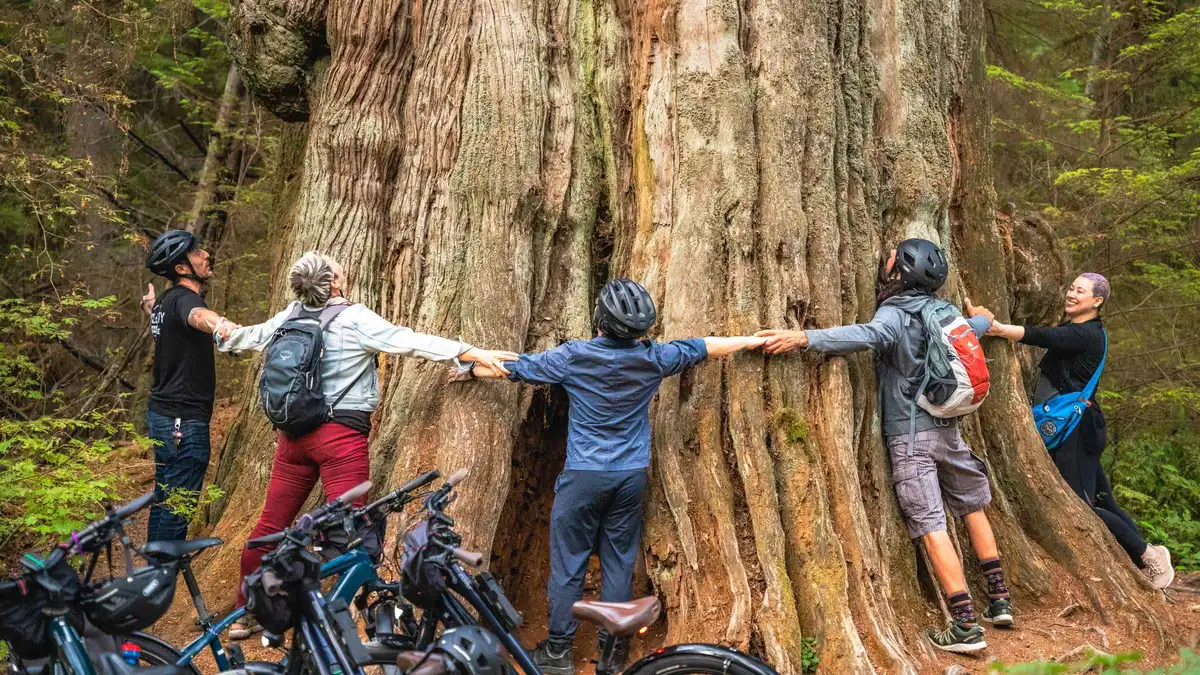
Top rated Vancouver: Stanley Park Bicycle Tour
Three hours and 12 flat kilometres through the West End, English Bay and Stanley Park with a guide who stops for the totem poles, Beaver Lake and the forest trails. Bike and helmet are included; e-bike upgrades are in-store only.
Check Availability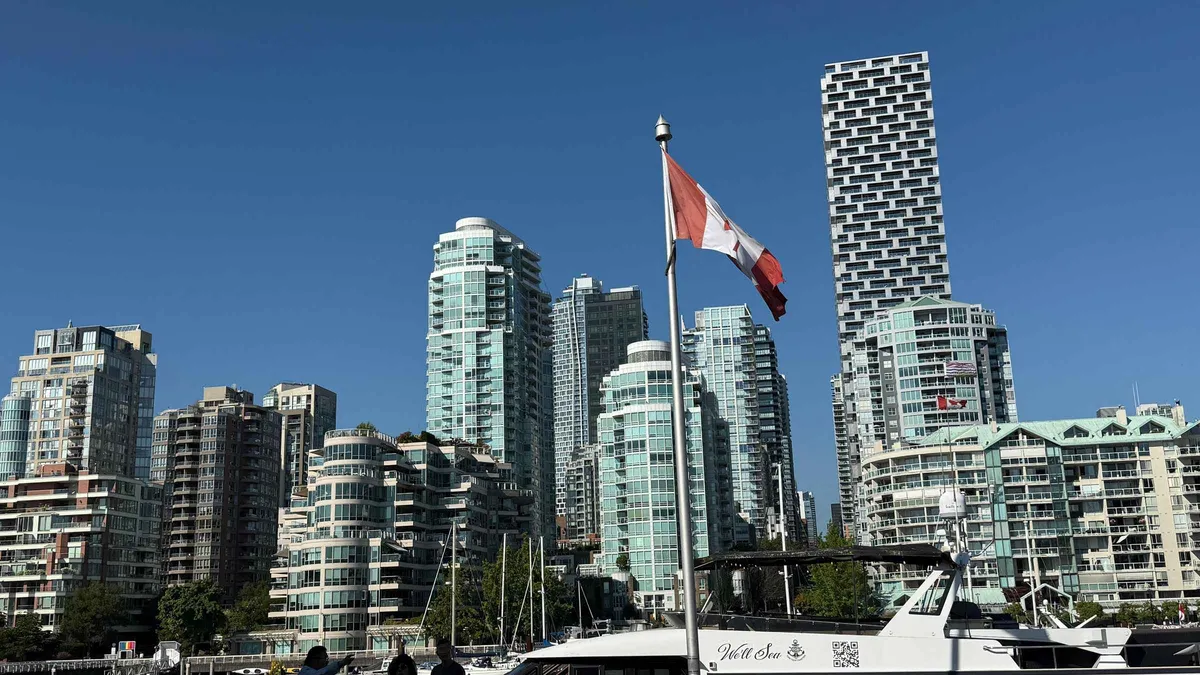 from $50.12
Top rated
from $50.12
Top rated Vancouver: Hop-On Hop-Off City Tour, SMALL GROUP "12 STOPS"
A hop-on hop-off route run in 15-seat vans rather than buses, with 24, 48 and 72 hour passes and 12 to 17 stops depending on the pass. The driver is not a guide and no attraction tickets are included.
Check Availability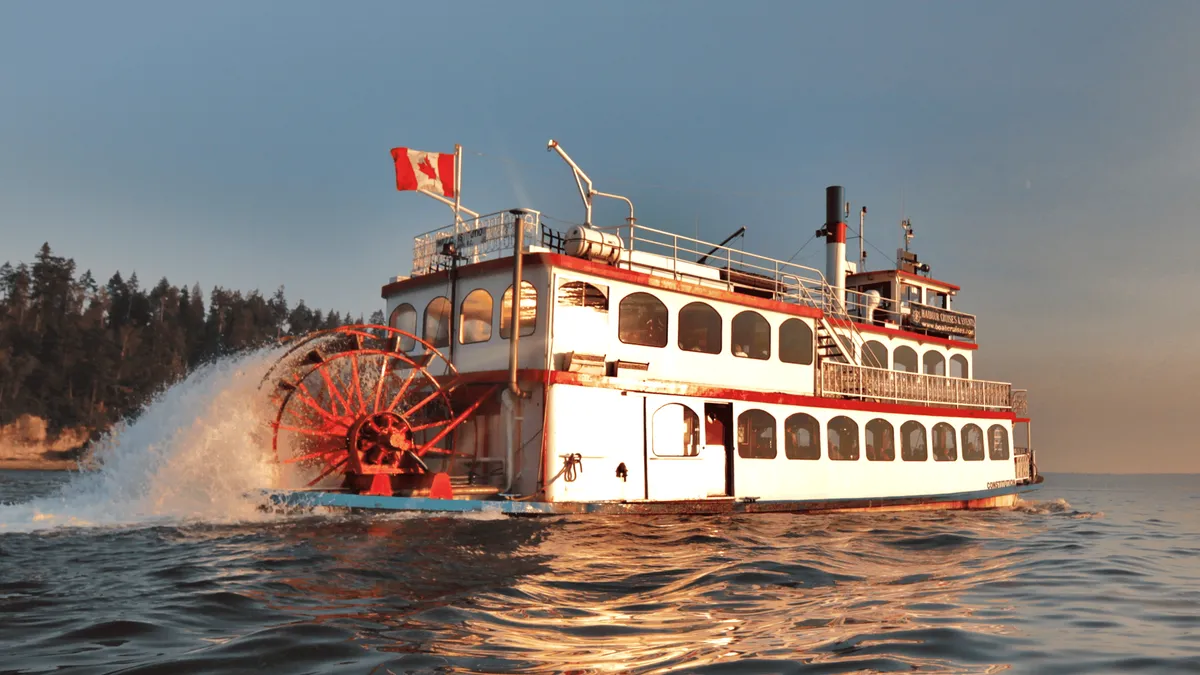 from $53.69
Vancouver: Harbor Sightseeing Cruise
One narrated hour around the inner harbour, past Stanley Park and under the Lions Gate Bridge, with open-air decks and a licensed bar on board. The shortest and cheapest way to see the city from the water.
Check AvailabilityPrices, ratings and details are the platform's own, checked in Q3 2026; dollar figures are the listed prices — the platform bills in your account's currency.
Where To Go Next
The pages this one feeds into.
What Vancouver costs
Where fares, admissions, meals and taxes actually land in a day, and which figures are official rather than estimated. Read the costs page.
The budget line this deletesThe Vancouver seawall
The long paved waterfront route, which is where the fountain map matters most and where the seasonal taps are. Read the seawall page.
28 kilometres of itVancouver accessibility
Lifts, ramps, the marked wheeling lane and the accessible washrooms that actually get published. Read the accessibility page.
The same routes, step-freeVancouver Tap Water Questions
Can you drink tap water in Vancouver?
Yes. Metro Vancouver's 2024 compliance report states that all analysed parameters met or exceeded provincial regulations and the federal guidelines, apart from three days when the Coquitlam source was non-compliant. The report section sets out the sampling numbers behind that.
Where does Vancouver's water come from?
Rain and snowmelt captured in the Capilano, Seymour and Coquitlam watersheds, which Metro Vancouver keeps closed to the public to prevent contamination, then treated at the Seymour-Capilano Filtration Plant and the Coquitlam Water Treatment plant. The source section carries the City's wording, and the forest it comes from is the one above Capilano.
Are there public water fountains in Vancouver?
278 of them in the City's open dataset, most with a bottle filler on the side, and the City publishes an interactive map. Roughly 41 are flagged year-round and the majority run seasonally. The fountains section has the breakdown by season.
Is Vancouver tap water hard or soft?
Metro Vancouver's consumer water quality pages did not return a hardness figure to our requests, and the annual report publishes compliance and turbidity rather than a mineral profile. Rather than repeat the claim you will read elsewhere, we have listed it as unpublished.
Should I buy bottled water in Vancouver?
There is no water-quality reason to. The supply passes every screening the federal guidelines set, and the fountain network means a refillable bottle covers a full day on foot. The saving over a week is one of the easiest on the Vancouver costs page, and a day on a seawall bike tour passes taps the whole way.
Vancouver's Water On Film
Three that cover the supply rather than the slogan: the City's own explainer, the region's water-supply history, and the national picture Canadian tap water sits inside.
#CityWeLove Spotlight: Water Quality
The City of Vancouver's own short explainer on how the supply is tested.
Video: City of VancouverMetro Vancouver Drinking Water: Critical Choices Shaped Future
A documentary on how the watershed protection model was chosen over heavier treatment.
Video: waterbucketThe secrets of Canada's tap water, explained
The national context: how Canadian drinking water is regulated and monitored.
Video: Global NewsVideos load from YouTube only when you press play.
Reviewed Q3 2026 (July–September 2026); next review Q4 2026. Prices, hours and terms are set by the venue or operator and confirmed at checkout.
We may earn a commission if you book through one of our links, at no extra cost to you. Full affiliate disclosure